Getting Started
Your First Few Days in the Garden
The first sessions are for looking, not for buying every tool in the catalog. You have a more-or-less detailed plan, and you step into the plot whenever your soil can be worked — not on a Wisconsin April date.
- Walk the site at 8 a.m., noon, and 5 p.m. Note sun and puddles. Dig a few small holes: how easy is it, what does the soil look like, are some spots wetter?
- What is already growing? Can you tell what it is? Perennial weeds now are easier than perennial weeds in June.
- Measure the bed. Sketch it. Mark north.
- Loosen soil with a fork or broadfork if you can; a rototiller is optional and easy to overdo.
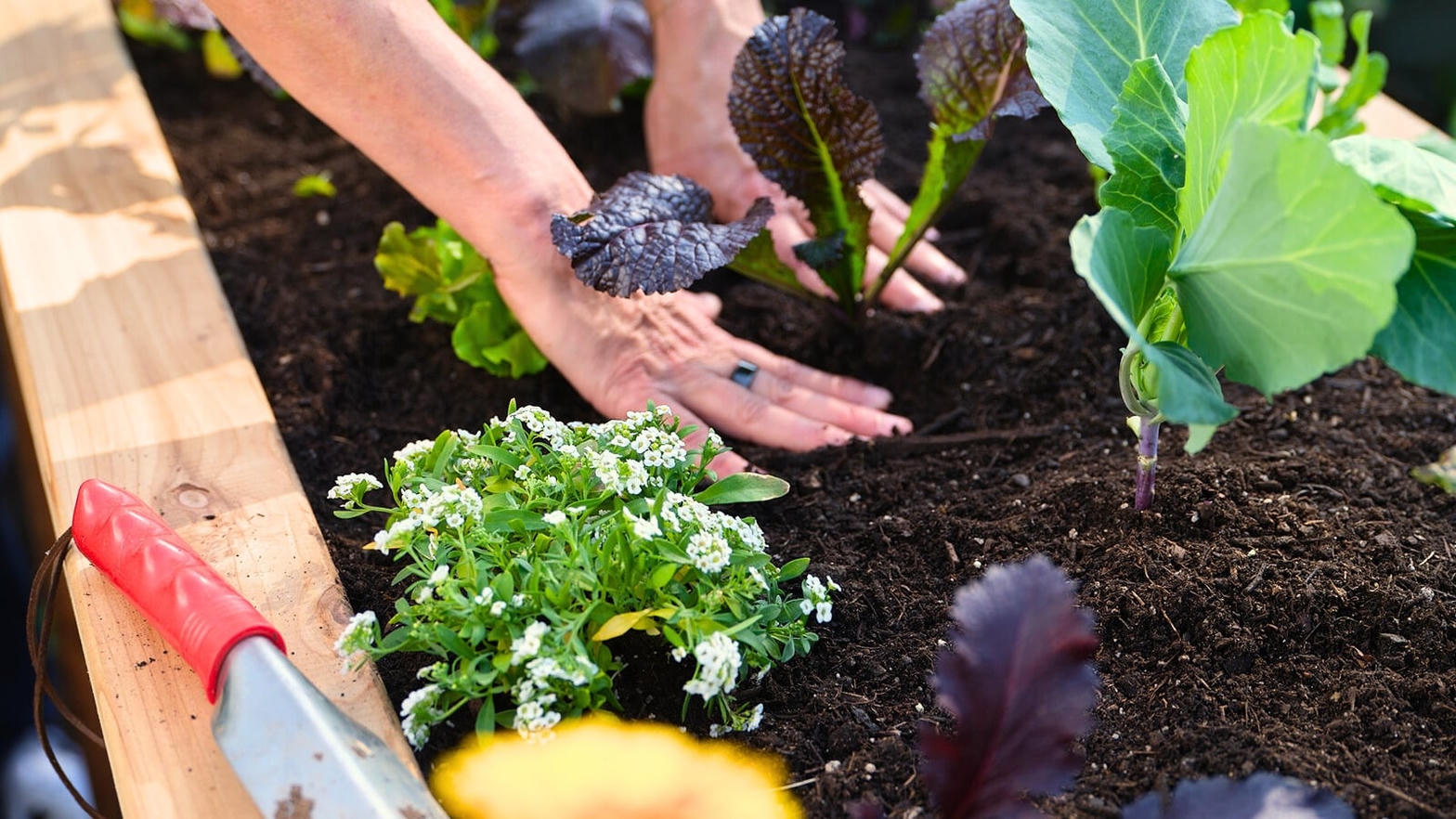
- Spread 1–2 inches of compost and work it into the top 6–8 inches.
- Rake, water, and wait a day so the bed settles before you sow small seed.
- Mulch heavily any ground you will not plant this week. That is the best last step of preparation — weeds will not wait while you fill the garden gradually.
- Label what you plant. You will not remember.
Depending on the size of the plot, the tools you have, your fitness, and your experience, this work may take several sessions. That is normal.
Other important topics — soil, amendments, starting seeds indoors, thinning, mulch, watering, weeding, compost — have their own chapters. Do not try to learn them all before you sow a row of radishes.