Getting Started
Season Extension Techniques
Your frost dates are not a prison. Simple covers add weeks on both ends of the season. Short-season gardens (Zones 3–5) feel this first: watermelons need a long warm stretch that is hard to give without help; spinach is easy, but a cover lets you cut it earlier in spring and later into winter. Floating row covers also keep many flying insects off the crop — pest control that happens to extend the season.
Five techniques that work in a home garden
1. Variety choice. Every vegetable exists in more than one variety. Some tolerate cold better and start earlier (or last later). Some mature faster and fit a narrower window whenever you plant them. Read days-to-maturity on the packet against your frost-free stretch.
2. Site. If you have a choice, avoid low ground. Cold air sinks. The temperature difference between the top of a small rise and the neighboring dip can be several degrees — enough to save or lose a tomato night.
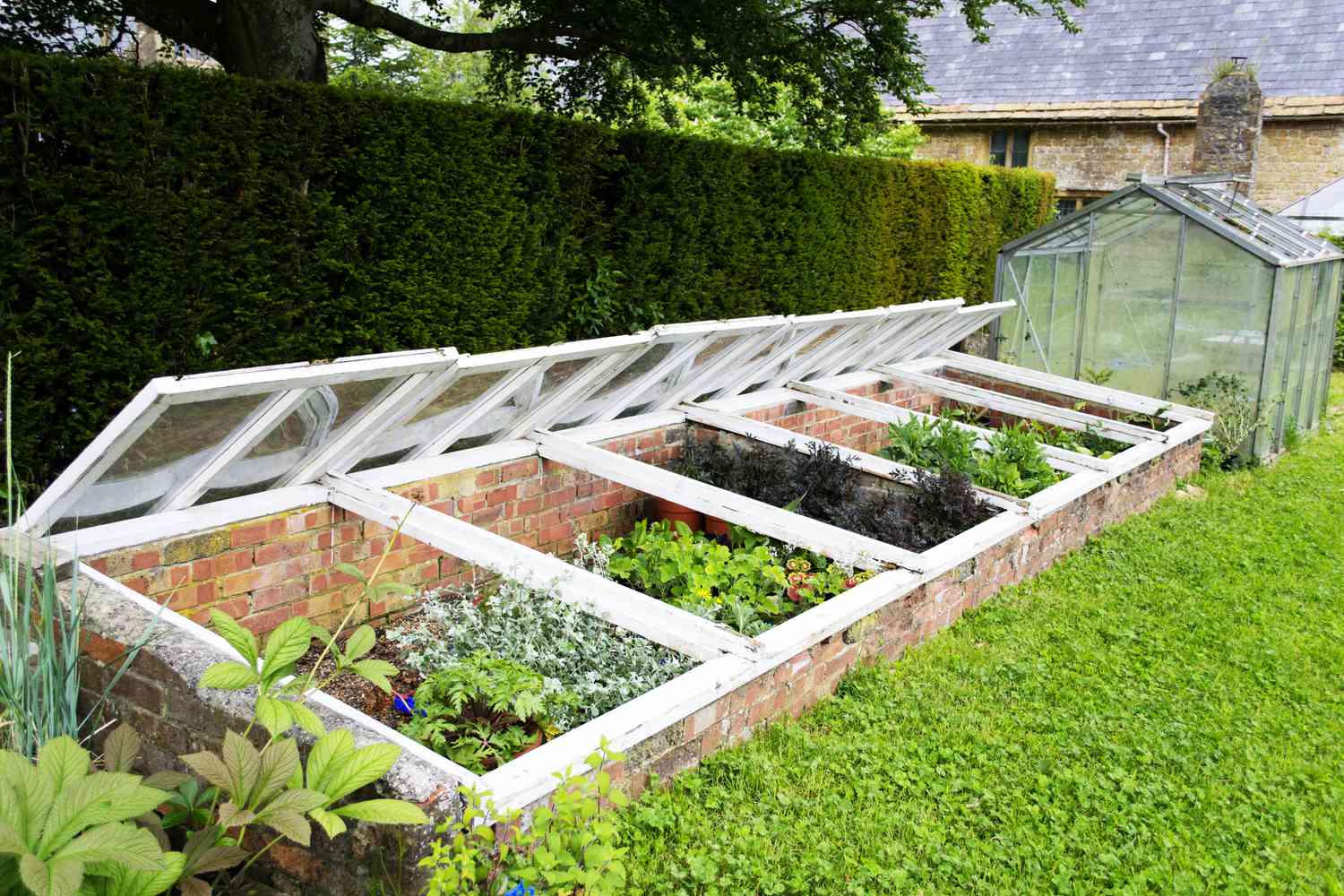
3. Cold frames. A bottomless box with a clear lid — an old window on a wood frame is enough — traps sun. Open it on sunny days so you do not cook the lettuce. Even a basic frame adds weeks at both ends of the season.
4. Plastic mulch. A sheet over the soil, weighted at the edges, warms the ground. That helps heat-lovers (eggplant, watermelon) not only in shoulder season but in summers that never quite get hot enough. It also holds moisture and blocks weeds. Use it once, then pick it up — it does not belong in the soil. Landscape fabric does a similar job and can be reused, at a higher price; you cut planting holes with a knife.
5. Floating row covers. Lightweight fabric over the crop, anchored at the edges, holds a little heat and excludes many insects. Most crops can wear the fabric directly. Tomatoes, peppers, and summer squash have sensitive tips — use wire hoops. Pair with plastic mulch in cool weather. On young brassicas, flea beetles will eat uncovered seedlings to death; once plants are larger the cover can come off. See Floating Row Covers.
Time these to your frost dates. A Zone 5 example: first covers go on 2–3 weeks before last spring frost and again as fall nights drop into the 40s. Slide that to match your own last and first frost. A low tunnel (hoops plus plastic) is a larger version of the same idea — ventilate or you will steam plants. Organic mulch keeps soil warmer in fall and cooler in summer, which is a quieter form of extension.