Getting Started
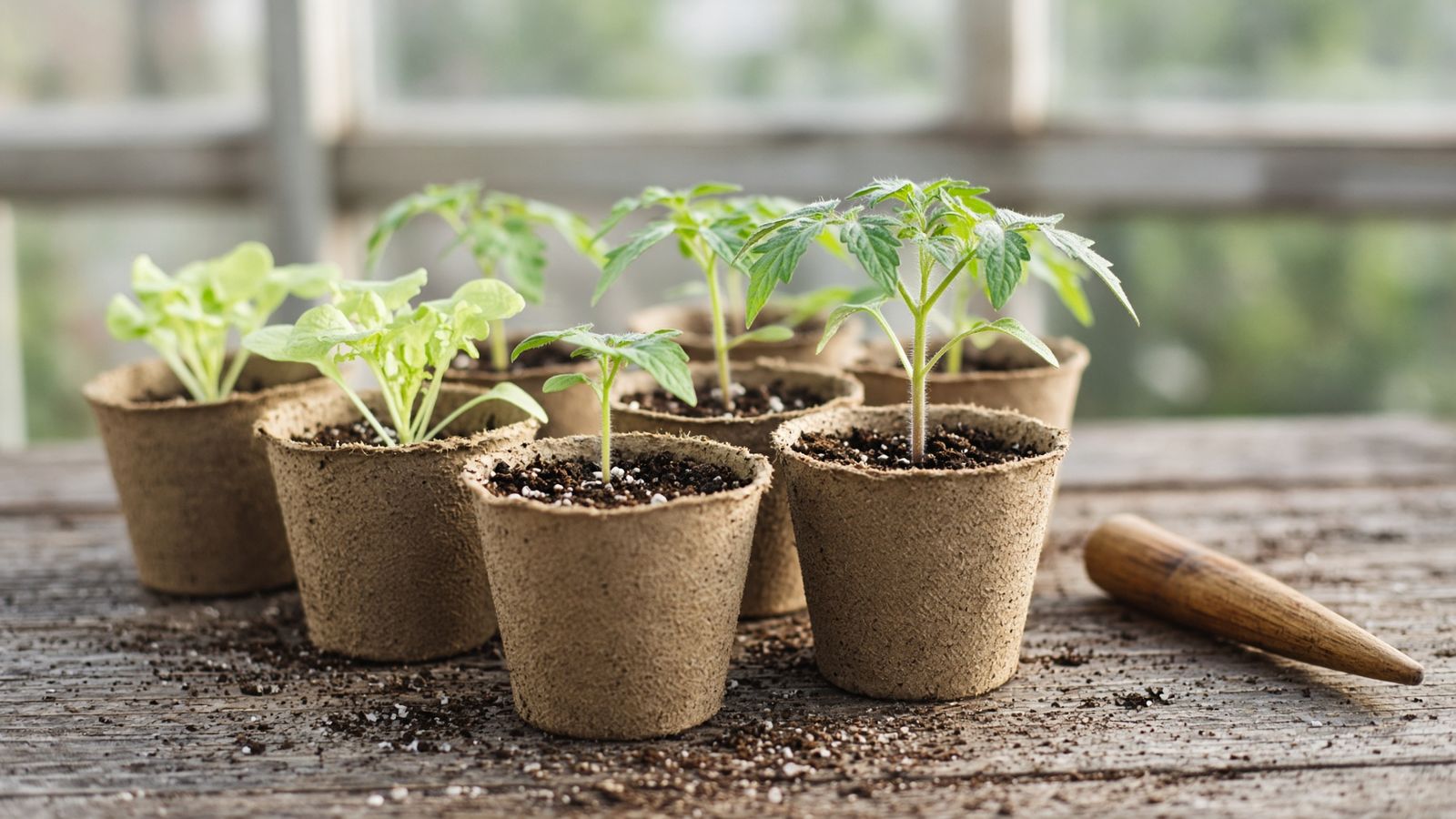
Starting Seeds Indoors
Indoor starting buys you time in a short season and gives tender crops a head start. It is not required for beans, peas, carrots, radishes, or squash.
Direct sow vs. start indoors
Direct-sow these: beans, beets, carrots, corn, peas, radish, spinach, turnip, most squash and cucumbers once the soil is warm.
Start indoors: tomato, pepper, eggplant, broccoli, cabbage, cauliflower, onion, celery, artichoke.
Either (indoor start gives a head start): lettuce, kale, chard, melon, basil, cilantro, dill, parsley. A small note on the plant label is enough — do not list the same crop in both columns as if you must do both.
How
Use a sterile, fine seed-starting mix. Sow at the depth in the cheat sheet. Label. Warmth matters more than light until sprouting; then plants need strong light 14–16 hours a day, 2–3 inches from a shop lamp or in a bright south window. Up to 18 hours of light will speed stocky growth; it will not replace intensity. Keep mix moist, not wet. Fan them once a day to thicken stems.
Mesclun greens (a mix, not “Mesclum”) can be sown in a tray and cut as baby leaf. Rutabaga is usually direct-sown. The easiest beginner method is still a sterile mix in cells or pellets: stand pellets in a tray, add warm water, let them expand, drain extras, and sow.
Common mistakes
Over- or underwatering. Soggy mix in a covered tray grows mold. Mist instead of blasting with a can. Check daily; do not let the mix go bone-dry.
Low light. A south window can work if it is not drafty and days are longer than about 12 hours. Most indoor starts still need a shop lamp close to the leaves — the usual mistake is hanging the light a foot too high.
Roots too cold. Cool air on the leaves makes compact tops; roots want warmth. A seedling heat mat under the tray helps, with a mix that will not dry out instantly on the mat.
Not sowing extras. Start more seeds than you will transplant, then keep the strongest. Thinning is not optional — see Thinning Your Seedlings.