Getting Started
14 Steps to Organic Gardening
This is the minimum you need to grow organic food from seed. Follow the steps in order the first year. After that, you will start skipping ahead — and that is fine.
1. Grow what you eat
List the vegetables and herbs you actually cook. Then circle the ones that are expensive, bland, or hard to find in stores — those are the ones worth garden space. Tomatoes and watermelons, winter squash, hot peppers, lettuce, and herbs are the usual first-year choices. Leave room to try one new variety each season.
2. Split cool-season and warm-season crops
Cool-season crops (beets, broccoli, cabbage, carrots, cauliflower, kale, lettuce, peas, radishes, spinach, turnips) tolerate cold and some frost. Warm-season crops (beans, corn, cucumbers, eggplant, okra, peppers, pumpkins, squash, tomatoes, watermelons) need warm soil and die at 32°F. Planting a tomato in cold mud is how first gardens fail.
3. Decide what to start indoors
New gardeners should almost always transplant broccoli, cabbage, cauliflower, eggplant, kale, peppers, and tomatoes. Cucumbers, pumpkins, and watermelons can go either way. Beans, beets, carrots, peas, radishes, and spinach are direct-sown. See Starting Seeds Indoors and the Direct-Sow table.
4. Buy seed in late winter
Late winter is usually the best time to order seed — after you know your last-frost date, before the popular varieties sell out. Join the GardenBreezy newsletter at gardenbreezy.com. You can unsubscribe anytime. We will always respect your privacy.
5. Choose a site
As soon as you can work outdoors after your last hard freeze, pick a spot. Use containers, a raised bed, or a patch of lawn. If you have a choice, the site should be flat and in full sun. See 6 Tips for Gardening in Containers later in this chapter set, and Where Should the Garden Be?
6. Loosen the soil and add organic matter
Break up the soil through the whole bed. Add compost and any amendments a soil test suggests. Ask a good garden shop to test your soil and recommend organic amendments. Did you know most extension services will test soil for a small fee?
7. Mark beds and paths
Mark growing areas. Leave paths at least 12 inches wide — 18 inches is kinder to your knees and to the soil you will not be compacting.
8. Rake a fine seedbed
The top inch should be fine, without clods, for anything you will direct-sow.
9. Sow cool-season crops at your last-frost calendar
Plant cool-season crops as early as your soil can be worked — often 2–6 weeks before last frost, not “the beginning of April” everywhere. Leave space for warm-season crops, or fill that space with a 30-day crop (radish, spinach, baby lettuce) that will be finished when the soil warms.
10. Start seeds indoors
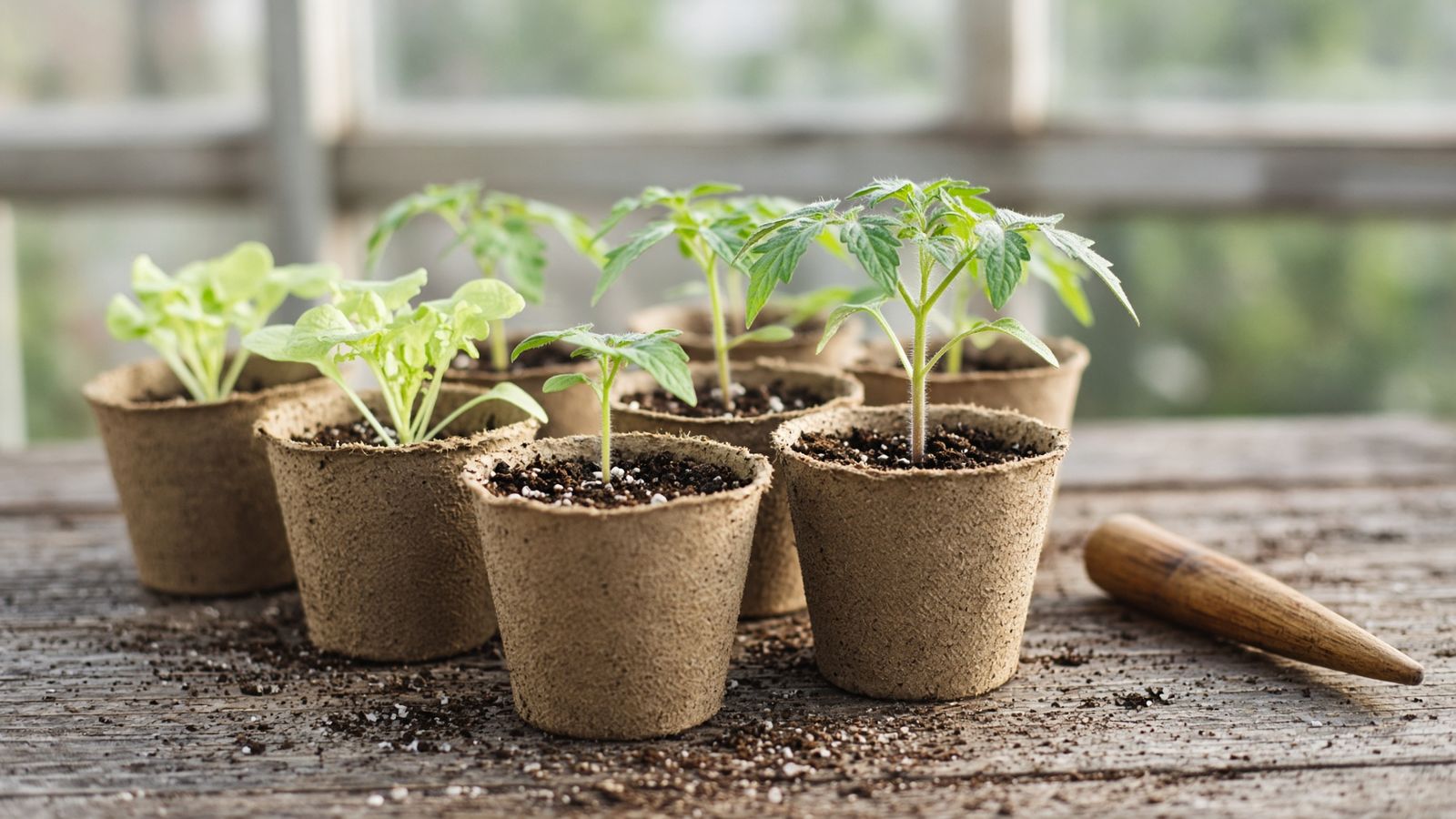
Starting seed indoors a few weeks before last frost gives you transplants when the garden is ready. The easiest beginner method is a sterile seed-starting mix in cells or pellets: stand pellets in a tray, add warm water, let them expand, drain extras, and sow. See Starting Seeds Indoors.
11. Harden off, then plant warm-season crops
When all danger of frost has passed — often 1–2 weeks after your last-frost date, not “late May” in every zone — plant warm-season crops. Seedlings that have lived indoors need 7–10 days of hardening off first. See Transplanting.
12. Water, weed, harvest
Through summer, weed weekly and water deeply (an hour or more with a soaker, or the equivalent) about once a week if it has not rained. Harvest keeps plants producing.
13. Swap in cool-season crops as frost returns
As nights cool toward your first fall frost, replace spent warm-season plants with kale, spinach, lettuce, and radishes. Read Season Extension and Floating Row Covers.
14. Harvest as long as you can
A row cover or cold frame can add weeks. Then clean up, mulch or sow a cover crop, and put tools away. That is a complete year.